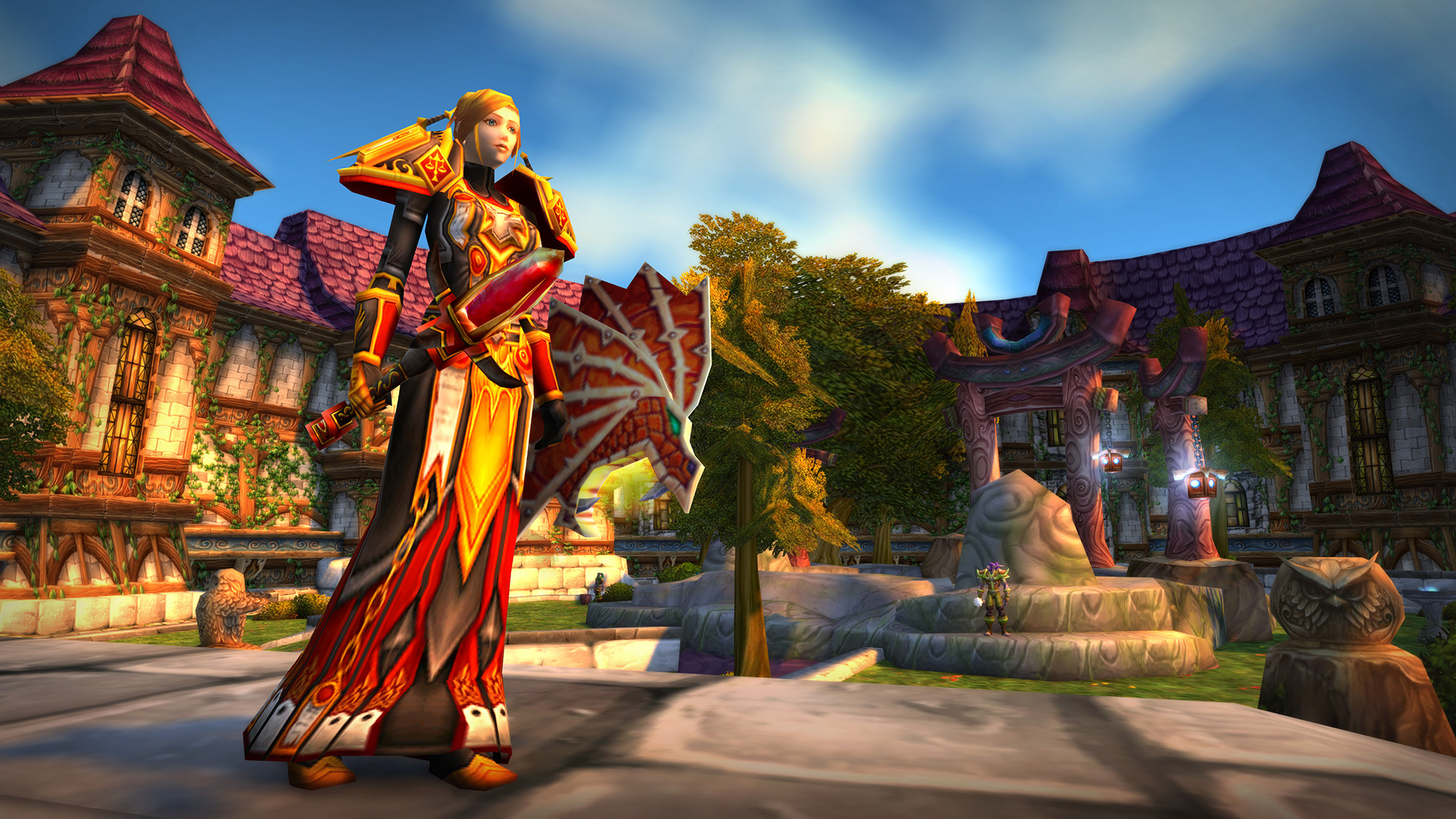
World of Warcraft Classic in 2026 Review
More than two decades later, Azeroth can still deliver an MMO experience few modern games manage to replicate.
 By admin
3 min read
By admin
3 min read
World of Warcraft Classic shouldn’t still feel this compelling.
By modern MMORPG standards, it’s slow, inconvenient and occasionally downright hostile to the player. Quests send you across entire zones for modest rewards. Travelling takes time. Dungeons require actual preparation. And if you make a bad decision in the open world, there’s a good chance you’ll be making a lengthy corpse run.
Yet those inconveniences are also part of why Classic remains so memorable.
Azeroth isn’t simply scenery between objectives. It’s a world you have to navigate, understand and eventually master. Travelling from one settlement to another feels meaningful because the journey itself takes time. Discovering a flight path matters. Finding another player working on the same difficult quest can turn a frustrating encounter into an unexpected adventure.
That social element remains Classic’s greatest strength.
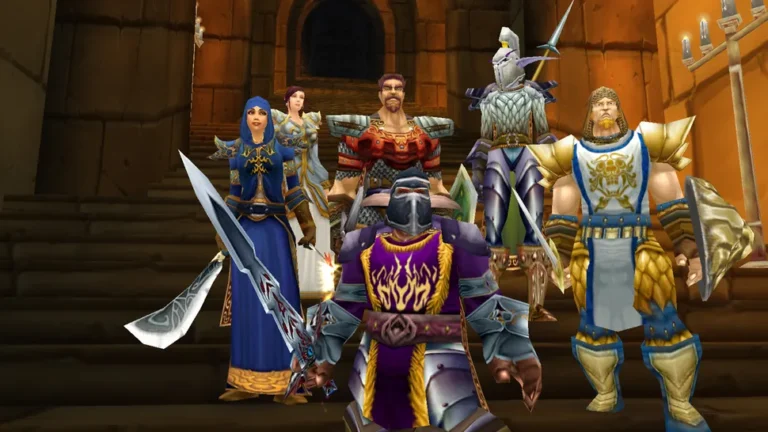
Modern MMORPGs have become exceptionally good at allowing players to experience enormous amounts of content without ever needing to speak to another person. Classic frequently does the opposite. Elite quests encourage cooperation, dungeon groups have to be assembled and professions give players reasons to interact with the wider economy.
The result is an MMO where other players often feel like inhabitants of the world rather than characters running alongside you.
Azeroth is still the star
The original continents remain remarkably effective MMO environments.
Elwynn Forest, Westfall, Stranglethorn Vale, The Barrens and countless other zones aren’t just beautiful pieces of nostalgia. Their quest lines overlap, their level ranges encourage exploration and their geography slowly becomes familiar after dozens of hours travelling through them.
There are certainly frustrations.
Classic wastes your time occasionally. Drop rates can be miserable, class balance is far from perfect and some quest design belongs unmistakably to another era.
But there’s an important difference between friction and bad design.
Some of Classic’s friction creates consequences. Preparation matters because travelling back to town takes time. Finding a group matters because replacing someone halfway through a dungeon isn’t instantaneous. Your reputation on a server can matter because you may encounter the same players again.
Removing all of those inconveniences would make the game smoother.
It might also make Azeroth less interesting.
Showing its age
Not everything deserves preservation.
Combat can feel simplistic depending on your class. Certain specializations remain considerably less desirable than others, and inventory management can become an adventure of its own.
Players accustomed to modern interfaces may also find Classic surprisingly opaque. The game frequently expects you to figure things out yourself or ask another player.
For some people, these aren’t charming quirks. They’re legitimate reasons to choose a newer MMORPG.
And that’s okay.
Classic doesn’t need to be the MMO for everyone.
The MMO part still matters
What surprised us most revisiting Classic isn’t how nostalgic it feels.
It’s how unusual it feels.
There are plenty of modern online RPGs with better combat, prettier graphics and vastly more convenient systems. Far fewer manage to create the same feeling that you’re a relatively small adventurer occupying an enormous world alongside thousands of other people.
That’s the part of World of Warcraft Classic that hasn’t aged.
And it’s also why the possibility of expanding this version of Azeroth remains so fascinating.
Verdict
World of Warcraft Classic remains one of the clearest examples of what MMORPGs gained — and sometimes lost — as the genre became more convenient. It’s slow, occasionally frustrating and unmistakably old, but its world, social dependency and sense of adventure remain exceptional.
More from MMOZine
Discussion (0)
Share your thoughts with the MMOZine community.
Discussion
No Comments Yet
Be the first to share your thoughts on this article and start the discussion.